Balanced Nutrition Through Healthy Cooking
Discover how mindful cooking techniques and nutritional knowledge combine to transform your relationship with food and wellness.
The information on this site is for educational purposes only and does not constitute medical advice. Always consult a qualified healthcare professional before making health decisions.
Core Features of Our Approach
Whole Food Integration
Learn to select and prepare nutrient-dense whole foods that maximize nutritional value. Our guides focus on seasonal ingredients, proper storage, and cooking methods that preserve essential vitamins and minerals.
Cooking Technique Mastery
Master essential cooking techniques that support balanced nutrition—steaming, roasting, gentle sautéing, and more. Understand how different heat levels and cooking times affect food composition and nutrient bioavailability.
Nutritional Balance Framework
Explore macronutrient and micronutrient balance across meals and days. Learn to combine proteins, healthy fats, carbohydrates, and vegetables to create satisfying, nutritionally complete dishes.
Evidence-Based Education
Our content reflects current nutritional science and culinary research. We explain the reasoning behind recommendations so you can make informed choices about your cooking and eating habits.
Practical Recipe Application
Access detailed recipes and meal ideas that demonstrate balanced nutrition in action. Each recipe includes ingredient ratios, preparation steps, and notes on nutritional components.
Lifestyle Integration Tips
Discover practical strategies for incorporating balanced cooking into your daily routine. Learn meal planning approaches, kitchen setup advice, and time-saving methods that maintain nutritional quality.
Why Balanced Nutrition Through Cooking Matters
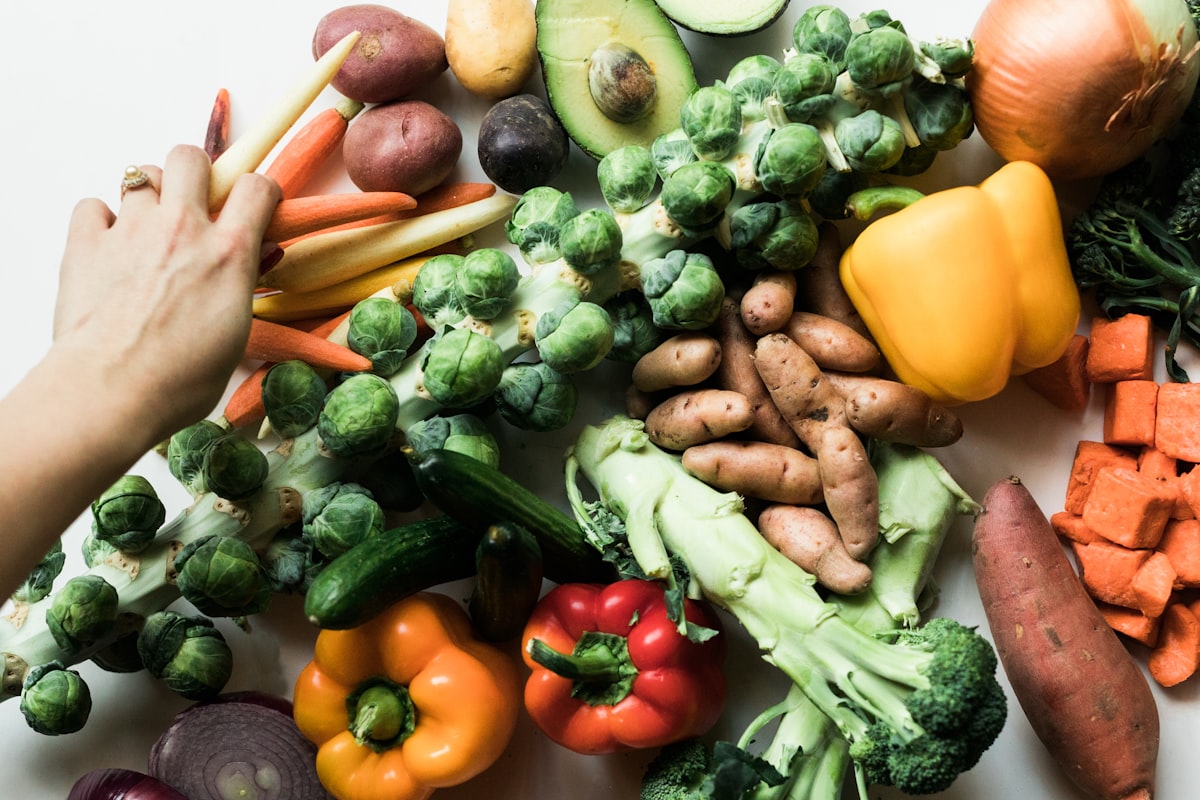
Transform Your Relationship with Food
When you understand how to cook nutritiously, you move beyond restrictive eating toward a sustainable, enjoyable approach to food. Cooking becomes a skill that empowers you rather than a burden.
- Food Quality Control: Prepare meals in your own kitchen to manage ingredients and cooking methods with precision.
- Flavor and Satisfaction: Learn techniques that make nutritious food genuinely delicious, supporting long-term enjoyment.
- Economic Efficiency: Cooking at home with whole foods reduces costs while increasing nutritional density.
- Personalized Adaptation: Adjust recipes and techniques to suit your preferences, dietary goals, and cultural traditions.
Balanced nutrition through healthy cooking is not a temporary program—it's a foundational life skill that supports overall wellbeing.
Our 5-Step Cooking Method for Nutritional Balance
Select Quality Whole Ingredients
Begin with whole, recognizable foods rather than processed products. Choose vegetables, lean proteins, whole grains, and healthy fats. Understand seasonal availability to maximize freshness and nutritional density. This foundation determines the nutritional quality of every meal you prepare.
Plan Balanced Proportions
Structure each meal with appropriate portions of protein, vegetables, whole grains, and healthy fats. Learn visual proportion guides and macronutrient ratios that support sustained energy and satiety. Balance varies based on individual activity levels and preferences, so personalization is key.
Apply Nutrient-Preserving Techniques
Use cooking methods that preserve nutrients while developing flavor—steaming, gentle sautéing, roasting at appropriate temperatures, and minimal overcooking. Understand how different cooking times affect vitamin retention, enzyme activity, and phytonutrient availability. This transforms cooking from intuition into informed practice.
Enhance with Flavor and Enjoyment
Use herbs, spices, healthy fats, and thoughtful seasoning to make nutritious food genuinely delicious. When meals are enjoyable, you naturally sustain balanced eating patterns. Learn flavor combinations that work across different cuisines and dietary preferences.
Evaluate and Adapt Continuously
Notice how different foods and meal compositions affect your energy, digestion, and satisfaction. Adapt recipes and proportions based on your individual response and changing goals. This reflective approach transforms cooking into a personalized practice aligned with your unique needs.
Compare Your Approach to Nutrition
| Aspect | Processed/Packaged Food Approach | Balanced Cooking Approach |
|---|---|---|
| Ingredient Quality | Unknown origins, additives, preservatives, refined ingredients | Whole, recognizable ingredients you select and inspect |
| Nutritional Control | Limited to label information; pre-determined ratios | Customizable portions and macronutrient balance based on your needs |
| Nutrient Density | Often reduced by processing, heating, and storage | Maximized through appropriate selection and preparation |
| Flavor Development | Often dependent on added sugar, salt, and artificial flavors | Created through technique, spices, and natural food flavors |
| Cost Efficiency | Premium pricing for convenience; limited bulk options | Lower per-serving costs with whole ingredients and meal planning |
| Personal Growth | Passive consumption; limited learning opportunity | Active skill development and nutritional literacy |
Explore Our Content and Resources

Cooking Tips & Techniques
Learn essential techniques for preserving nutrients while maximizing flavor and texture in your everyday meals.
Read more
Recipes & Meal Ideas
Discover practical recipes that demonstrate balanced nutrition in action, with detailed preparation guidance.
Browse recipes
Educational Articles
Explore in-depth articles about nutritional science, ingredient selection, and sustainable eating habits.
View articlesFrequently Asked Questions
Gallery of Nutritious Meals
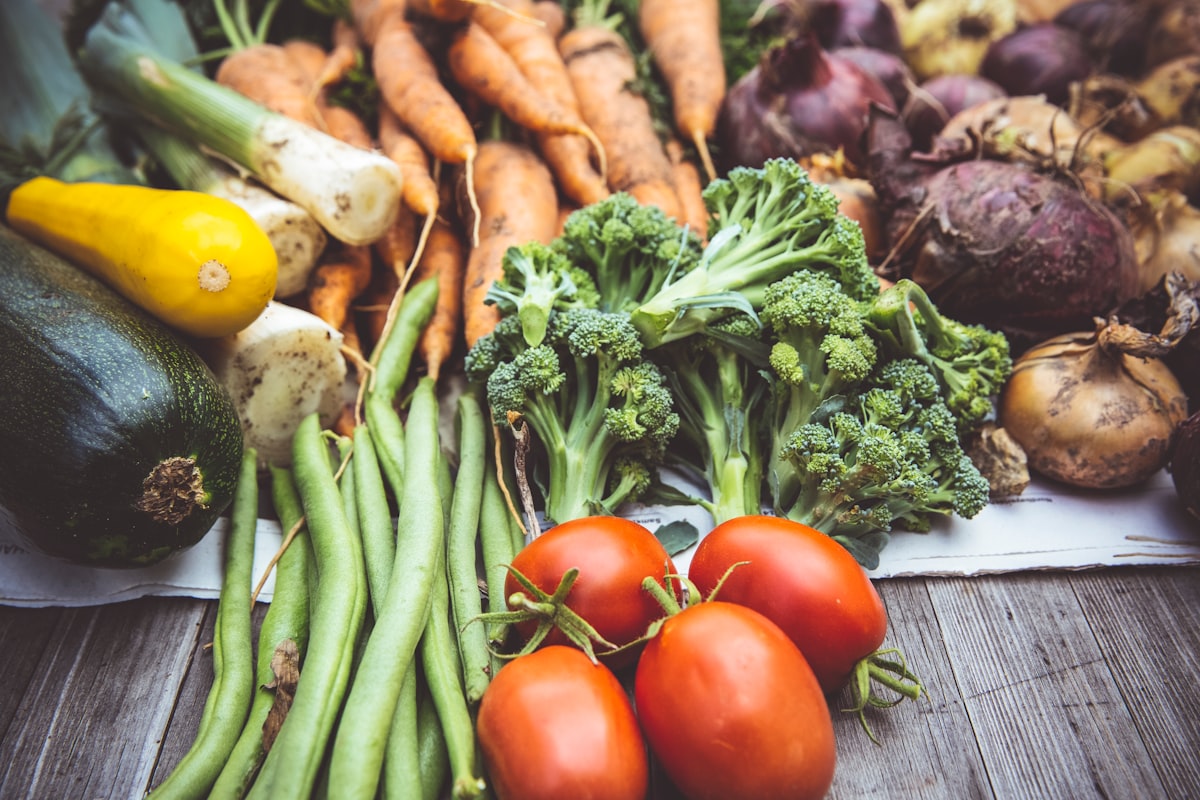
Mediterranean Vegetable Bowl
Whole grains, roasted vegetables, legumes, and olive oil
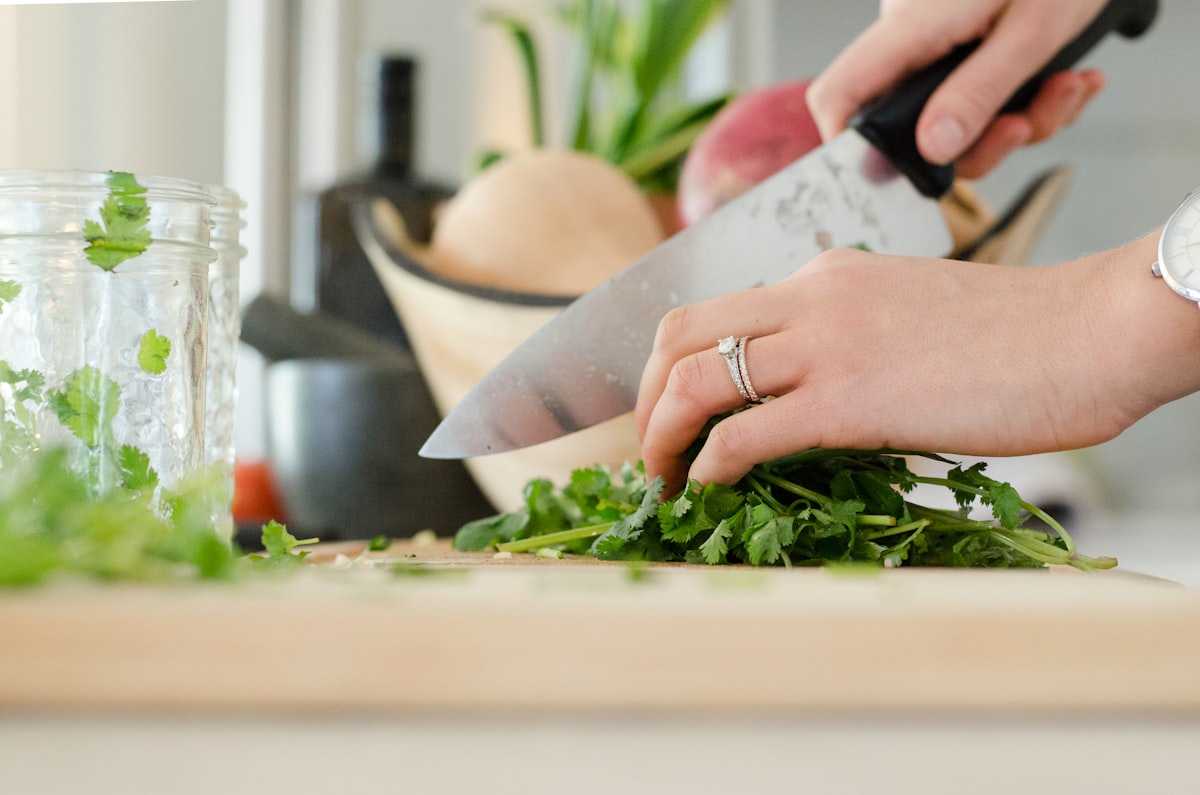
Steamed Fish with Greens
Omega-3 protein with nutrient-dense seasonal vegetables
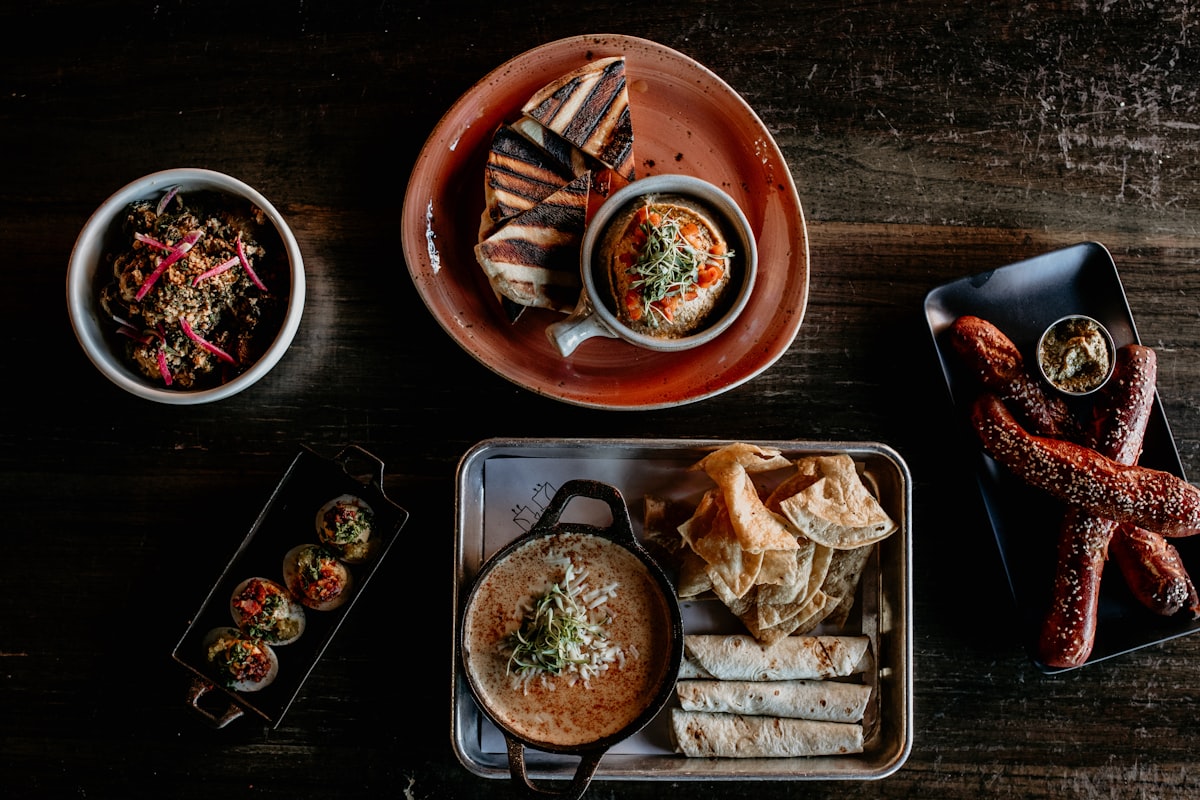
Rainbow Vegetable Stir-Fry
Multiple vegetables prepared with nutrient-preserving techniques
Deepen Your Knowledge